

At Stone House Grain, feed quality begins in the soil and carries through every stage of production: grain growing, ingredient sourcing, formulation, milling, handling, and delivery. We believe livestock feed should support healthy animals, resilient farms, and stronger regional agriculture systems — not simply meet minimum nutritional targets on paper.
Our feeds are built for working farms across the Northeast and beyond that value consistency, transparency, practical nutrition, regenerative practices and long-term relationships with the people producing their feed.
GROWN ON OUR FARM
Organic Grain Raised and Milled by Stone House Grain
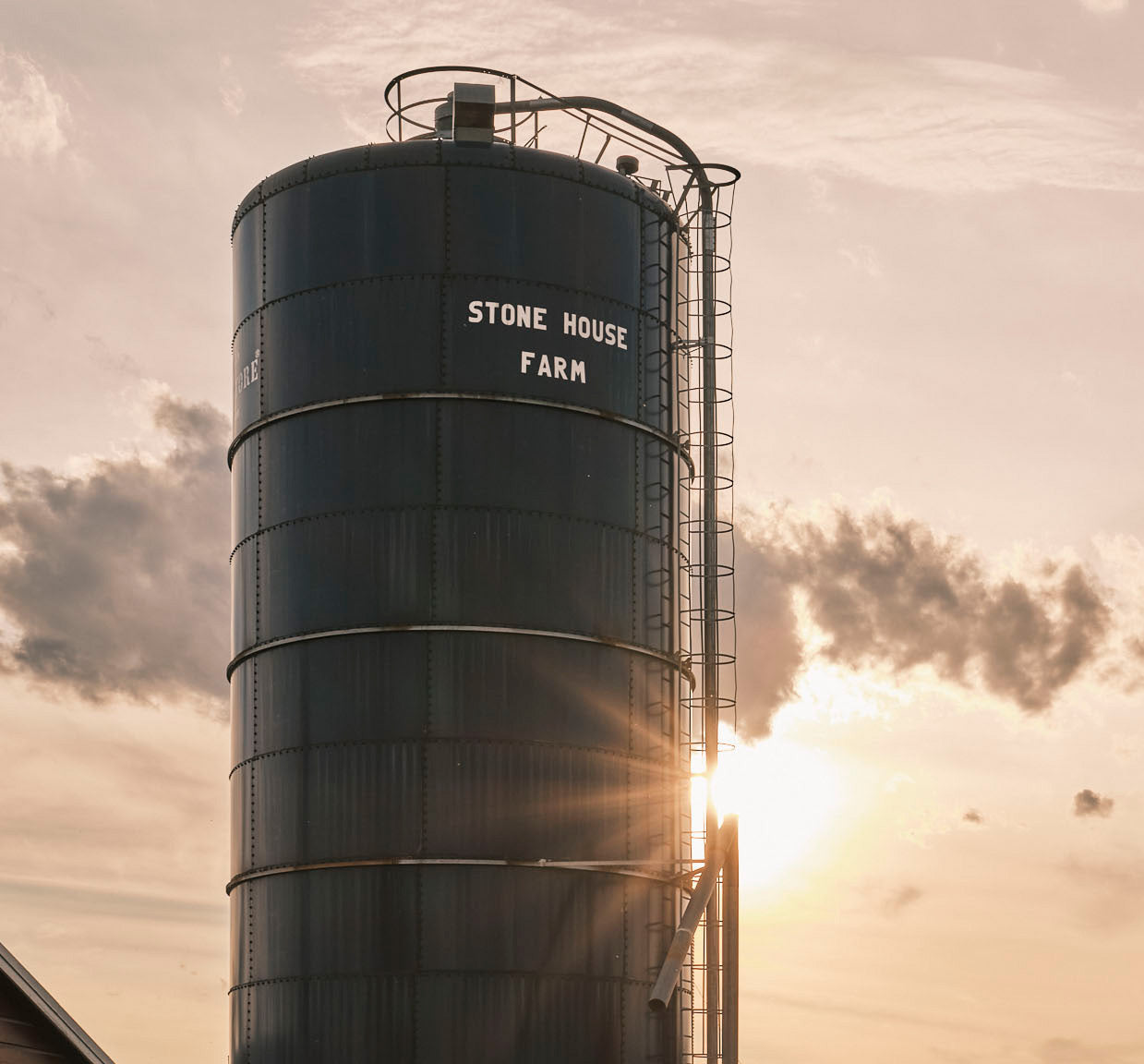
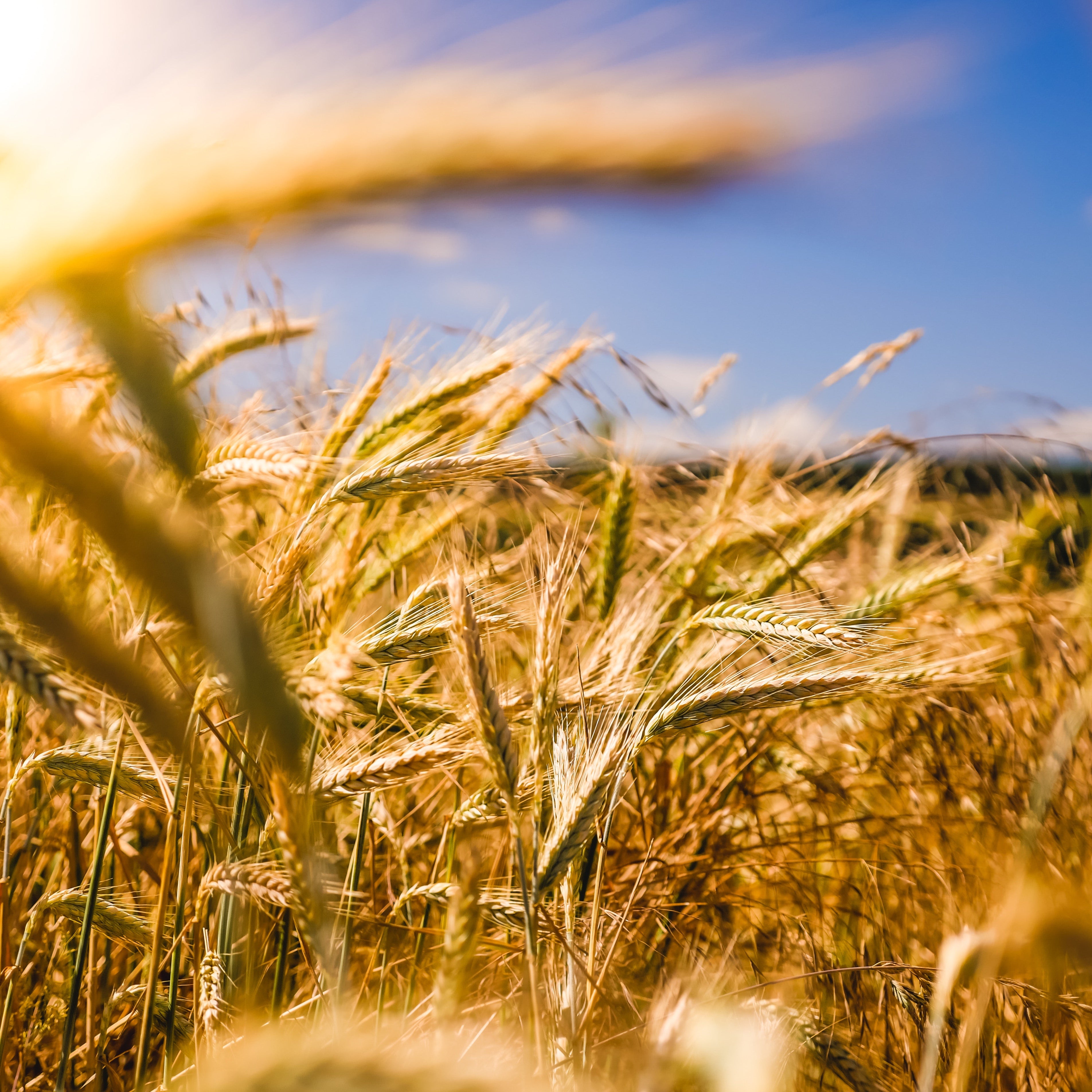
Unlike many feed companies that rely heavily on commodity grain markets, Stone House Grain grows the majority of the grain used in our feeds directly on our own certified organic acreage in New York’s Hudson Valley. Across roughly 3,000 farmed acres, we grow corn, soybeans, peas, wheat, barley, rye, triticale, dry beans, and rotational cover crops that support both livestock nutrition and long-term soil health. Today, approximately 60–70% of the grain used in our feed mill is grown directly by our farm team.
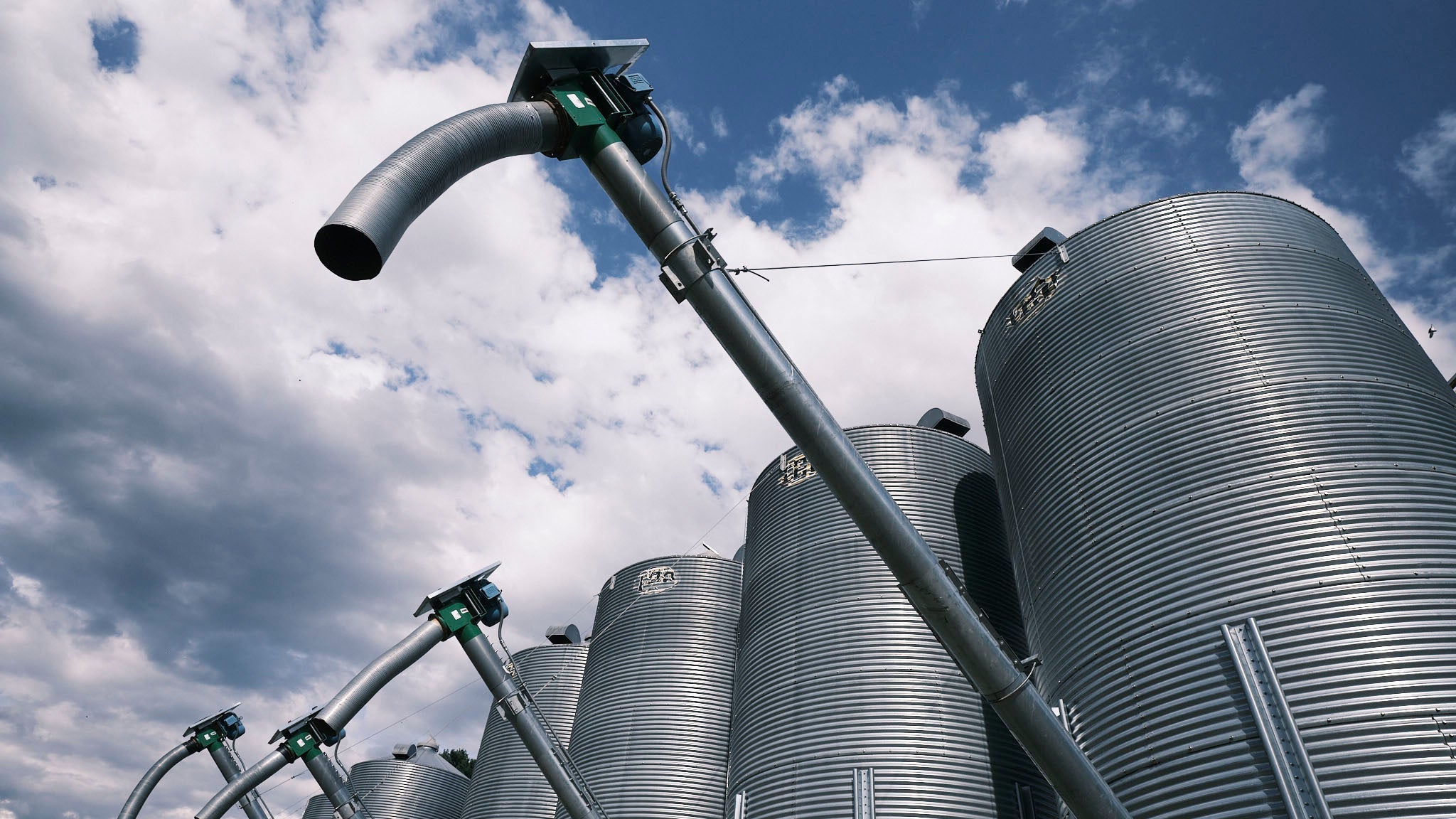
Growing much of our own grain allows us to maintain close oversight of quality from planting through harvest, storage, and milling. Every incoming load is inspected, grains are dried to safe moisture levels, and storage bins are carefully monitored throughout the year. Because Stone House Grain also grows food-grade grains for human consumption, we approach grain handling with the mindset that feed quality begins with grain quality. Additional vitamins, minerals, and specialized nutritional ingredients are sourced from trusted regional and national partners whose products align with our standards for consistency, performance, and animal health.
CERTIFIED WITH ACCOUNTABILITY
What NOFA-NY Certified Organic Means in Practice
Producing certified organic feed requires far more than simply avoiding synthetic chemicals. Every ingredient, planting record, storage bin, milling process, delivery workflow, and feed batch must be documented and traceable through a rigorous third-party certification system.
Through NOFA-NY Certified Organic inspection and compliance review, Stone House Grain maintains detailed records that track grain from seed purchase through planting, harvest, storage, milling, and final sale. This includes seed receipts, field activity logs, soil amendment approvals, harvest records, lot tracking systems, and storage documentation throughout the production chain.
Maintaining organic compliance also requires operational discipline every day inside the mill and across the farm. Dual-use equipment must be documented and cleaned according to strict segregation and purge procedures to eliminate contamination risk, while storage bins and grain lots are carefully labeled and monitored for traceability. For livestock producers, certification provides something far more valuable than marketing claims or word of mouth — it creates third-party accountability and verification that the systems, standards, and practices being described are actually happening.
At Stone House Grain, maintaining that level of transparency requires constant attention to recordkeeping, auditing, and operational consistency, but we believe that level of accountability is essential to producing feed farmers can trust.
FARMING FOR THE LONG TERM
Why Regenerative Organic Practices Matter
At Stone House Grain, we believe healthy soils are the foundation of healthy farms, healthy feed, and resilient agricultural communities. Our farming practices are built around continuously improving soil structure, increasing biological activity, and building long-term fertility across the land we steward.
Crop rotation plays a major role in that process. We intentionally balance warm-season and cool-season crops while integrating perennial grasses and clovers to naturally manage weeds, restore nitrogen, and improve soil structure over time. Diverse cover crop systems, including winter peas, vetch, oats, rye, clover, and warm-season biomass mixes, help feed soil biology and prepare fields for future crops.
We also use mycorrhizal inoculants and biological foliar applications to support microbial diversity and plant health throughout the growing season. Increasing biodiversity — both in the soil and above ground — is an important part of how we evaluate long-term farm health. Alongside crop performance, we increasingly monitor soil biology, organic matter, beneficial insects, and overall ecosystem activity across the farm.
For us, regenerative farming is not abstract philosophy. Healthier biologically active soils produce crops with stronger nutrient density, more resilient protein structures, and better long-term feed performance for livestock producers.
BUILT WITH PURPOSE
Ingredients Selected for Animal Performance, Not Cost Cutting
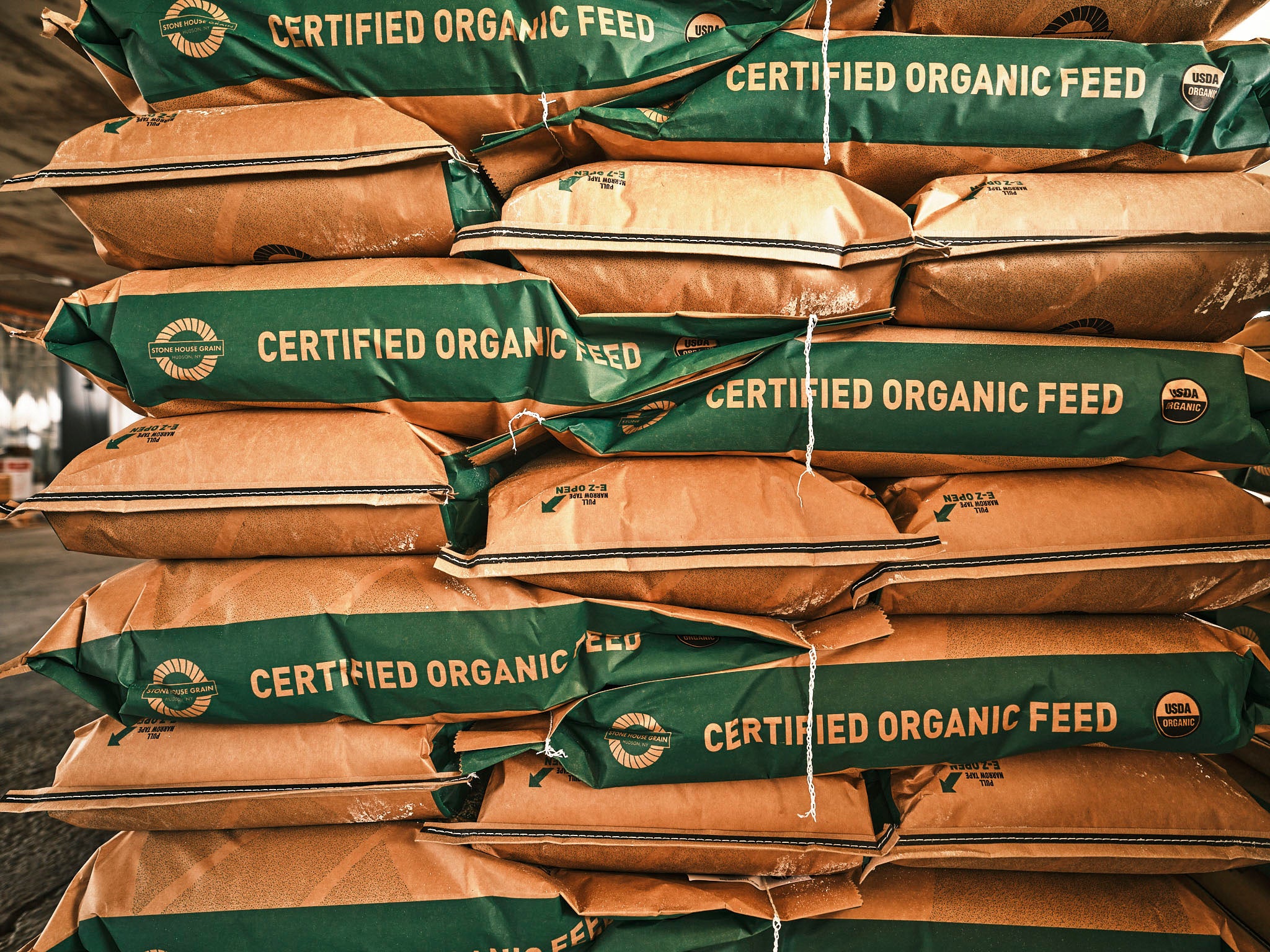
At Stone House Grain, we formulate feed around the nutritional needs of livestock rather than around minimizing ingredient costs or maximizing filler inclusion. We use real whole grains that are ground and mixed on site, allowing us to maintain closer control over freshness, consistency, and feed quality throughout production.
We intentionally avoid synthetic additives, unnecessary fillers, and low-quality commodity ingredients. Our grains and nutritional ingredients are sourced exclusively from North America through trusted regional farmers, organic growers, and long-standing supply partners whose standards align with our own.
Internally, ingredient quality starts with basic fundamentals: grain should be clean, smell healthy, show no signs of mold, pests, discoloration, or mustiness, and reflect the quality standards we would expect from food-grade agricultural products. Because Stone House Grain also grows food-grade grains for human consumption, we approach feed ingredients with the same attention to handling and integrity.
Each harvest is tested and evaluated for protein levels and nutritional variation before formulations are finalized. Those test results allow our nutritionists to adjust feed recipes based on the actual characteristics of the crop each season, helping ensure livestock receive balanced nutrition appropriate for their species, production goals, and stage of life.

PRACTICAL FEED SCIENCE
Good feed formulation involves far more than protein percentages alone. Energy availability, digestibility, fiber balance, amino acid profiles, mineral interactions, and ingredient variability all influence how feed performs in real-world farm conditions. At Stone House Grain, our feed programs are built around the understanding that livestock nutrition is both biological and highly species-specific.
To support that process, grains from each harvest are lab tested before formulation work begins. Our nutrition partners at Fertrell and Crystal Creek use those grain analyses to formulate balanced rations based on the actual nutritional characteristics of the crops grown each season rather than relying on generalized assumptions or static formulas.
Different livestock species — and even different breeds within a species — often require very different nutritional approaches depending on age, growth stage, production goals, and management systems. Balancing protein, energy, amino acids, minerals, fiber, and intake behavior requires careful formulation work designed around how animals actually consume and utilize feed.
One of the most common misconceptions in livestock nutrition is the belief that feed formulation can simply be improvised successfully at scale. While basic feeding programs may function adequately in some situations, commercial production, animal performance, operational efficiency, and long-term profitability all depend on nutritional consistency. In practice, healthy livestock nutrition is a science that often determines the difference between animals merely surviving and truly thriving.
BUILT FOR REAL FARMS
Nutrition Changes With Environment, Species, and Farm Goals
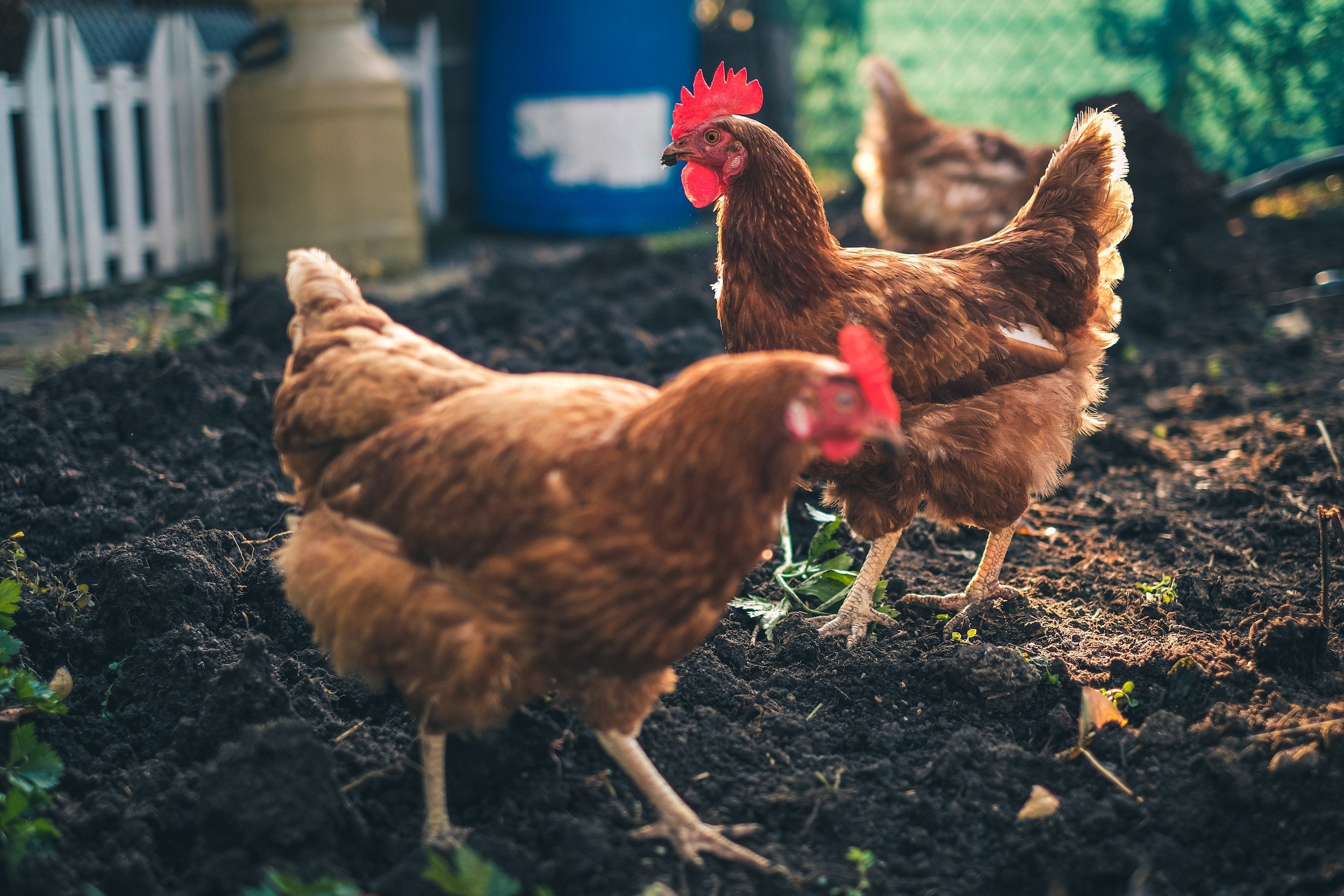
No two farms operate exactly alike. Weather patterns, forage quality, pasture access, breed selection, housing systems, and production goals all influence how animals utilize nutrition throughout the year. What works well for one farm may not be the right fit for another, especially across the varied climates and management styles found throughout the Northeast.
At Stone House Grain, our feed programs are designed around real-world farming conditions rather than one-size-fits-all assumptions. While many farms successfully use our standard formulations without modification, we also help customers think through practical feeding decisions based on species, production stage, forage availability, seasonal conditions, and overall farm goals.
Get Started Today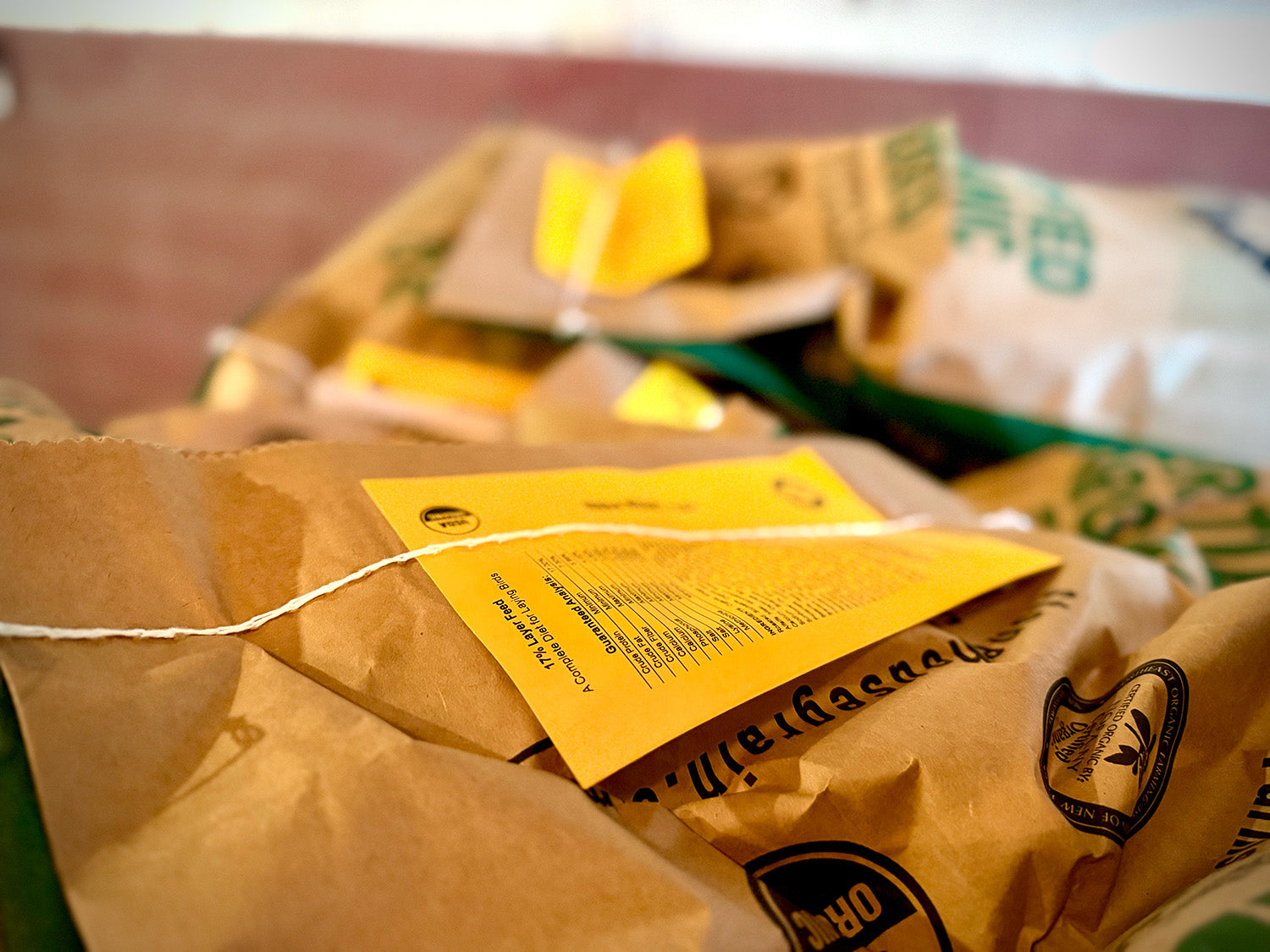
MORE THAN A TAG PANEL
Understanding Guaranteed Analysis and Feed Labels
Guaranteed analysis panels provide important nutritional reference points, but they only tell part of the story. Protein percentages alone do not determine how well a feed will perform in practice. Digestibility, ingredient quality, freshness, milling consistency, amino acid balance, and how nutrients are actually utilized by the animal all play major roles in overall feed performance.
At Stone House Grain, we believe the true measure of a feed is how animals respond to it over time. Healthy birds, strong egg production, consistent weight gain, good body condition, and overall livestock vitality matter far more than chasing a single number on a tag panel. Feed should perform in the barn, pasture, and field — not just on paper.
Talk With Our TeamORGANIC AND SOY-FREE OPTIONS
Feed Programs Built Around Different Farm Philosophies
Different farms have different production goals, customer expectations, and feeding philosophies. Some farms prioritize certified organic systems, while others seek soy-free feed programs tied to specific livestock practices or consumer preferences around food production.
At Stone House Grain, we offer both standard organic and organic soy-free feed options designed to support those varying operational approaches.
Soy-free feed programs require significantly different formulation strategies than standard organic feeds. Traditional organic rations often rely on corn, wheat, and roasted soybeans as foundational ingredients, while soy-free programs depend more heavily on peas, sunflower meal, wheat, and fish meal to balance energy and protein requirements.
These formulations can be more operationally complex and sometimes less nutritionally forgiving, which is why we work carefully to source quality ingredients and formulate balanced rations that continue to perform well for livestock in real-world farm conditions.
FRESHNESS MATTERS
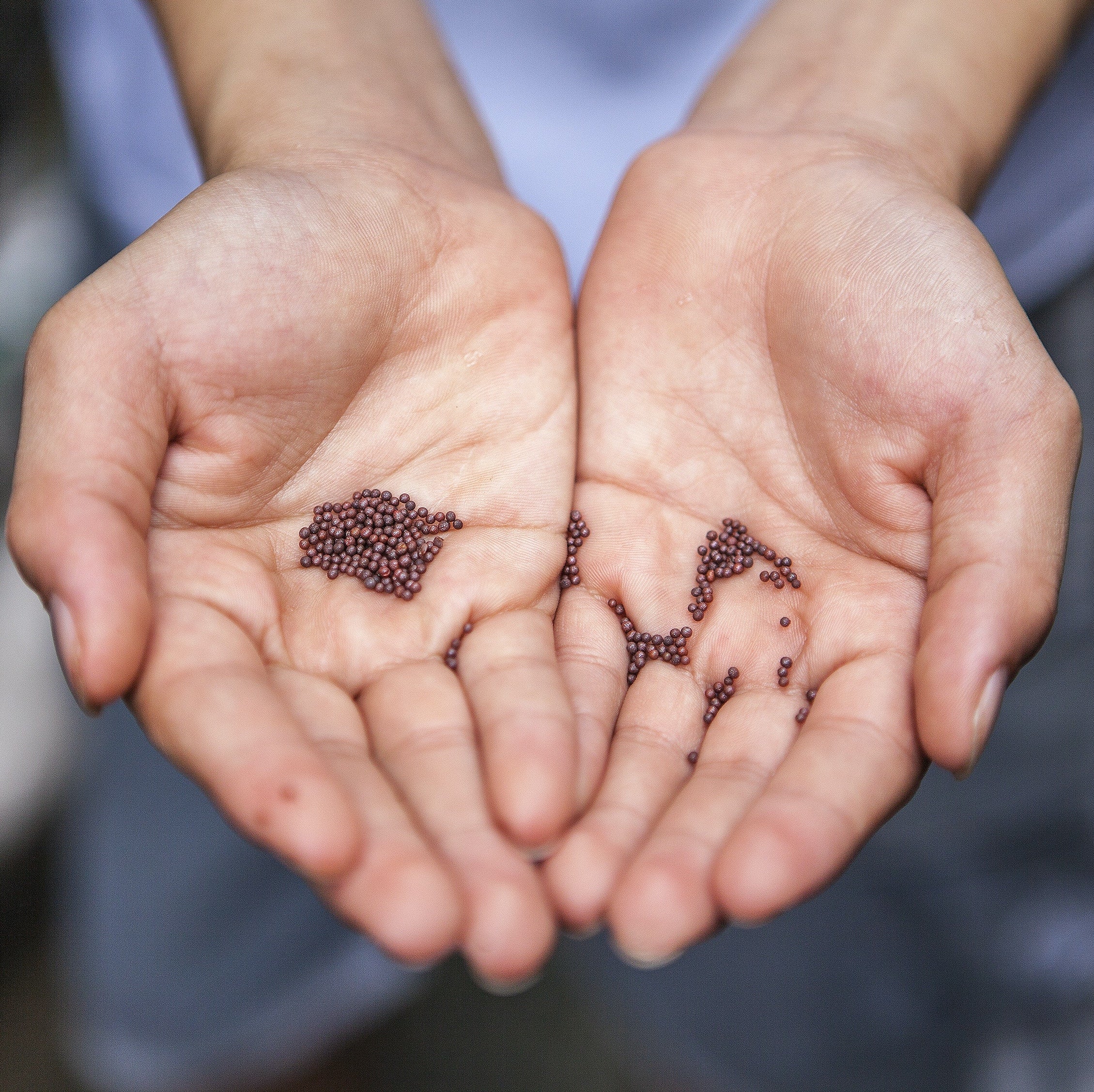
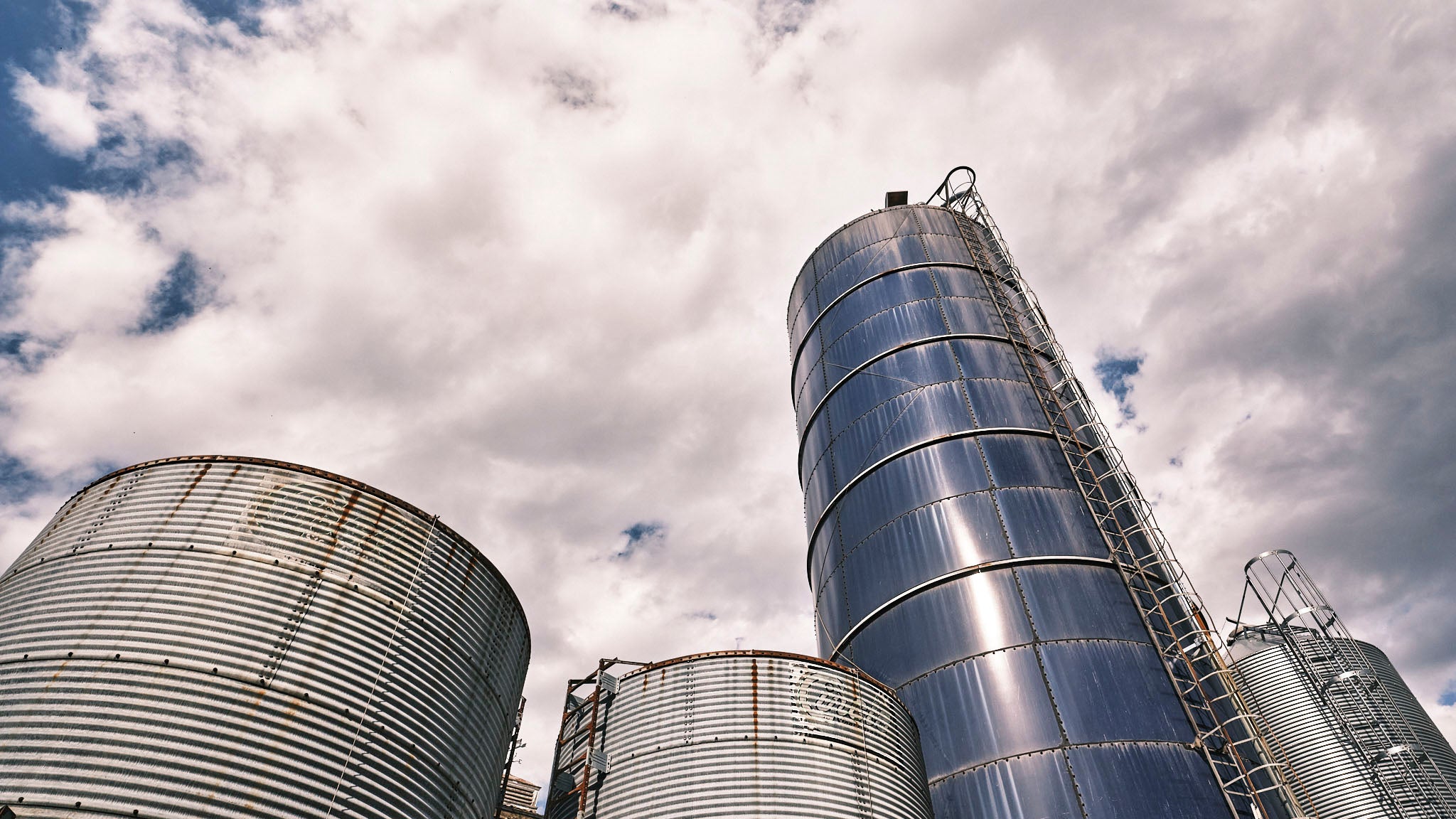
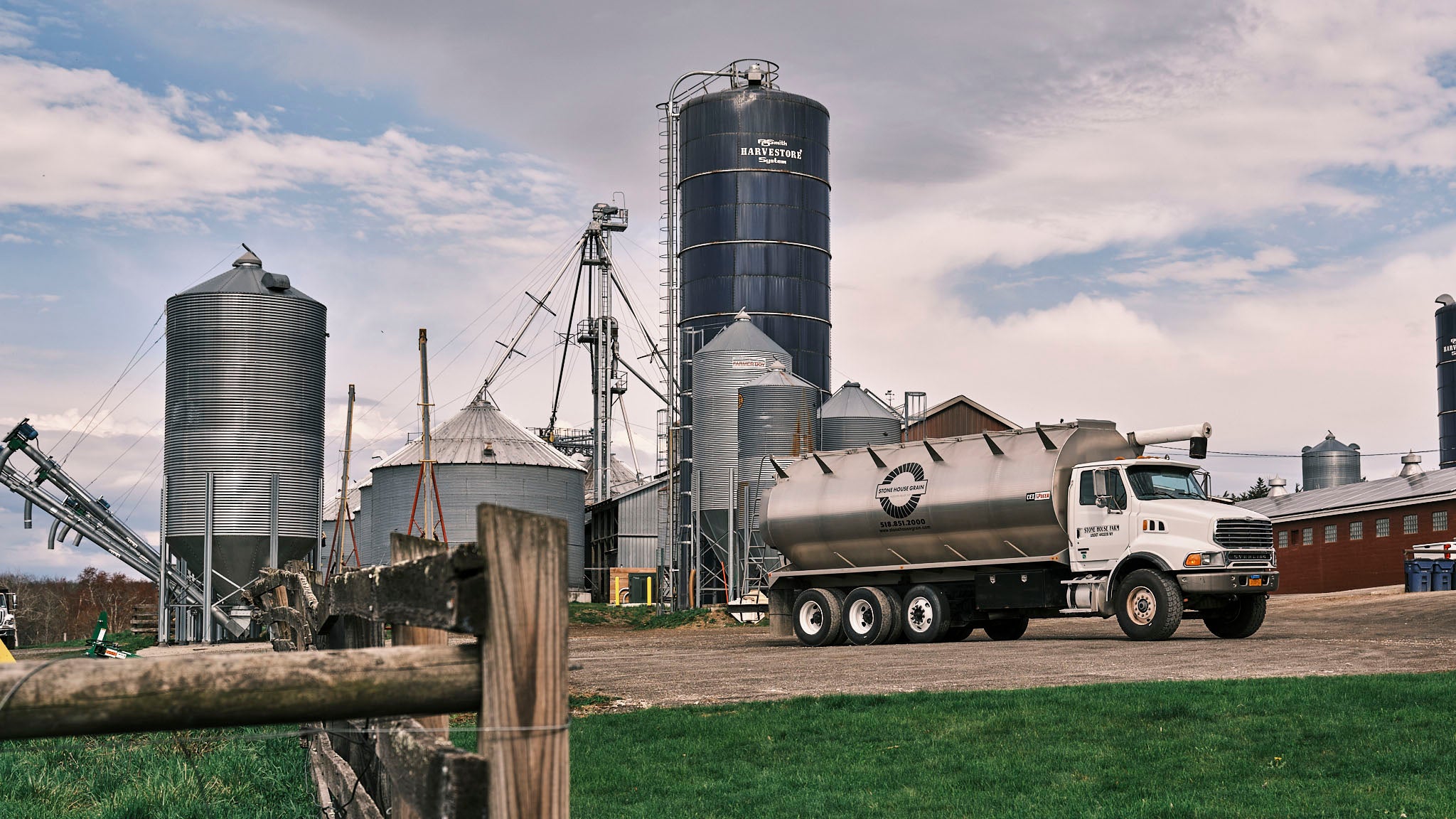
Feed quality is influenced not only by formulation, but by how ingredients are stored, milled, handled, transported, and delivered. Consistency in production and logistics plays a major role in maintaining nutritional reliability and product condition over time.
We work to ensure feed moves efficiently from grain storage through milling and into delivery systems designed to support freshness and dependable performance on farm.
CONSISTENCY ON FARM
Reliable Delivery Supports Reliable Livestock Production
Livestock operations depend on consistency. Feed disruptions, delayed deliveries, or inconsistent formulations can create operational stress across an entire farm system.
Our delivery programs are designed to help farms maintain dependable access to feed while supporting practical ordering schedules, route coordination, and ongoing communication with customers throughout the season.
Explore Bulk Feed Delivery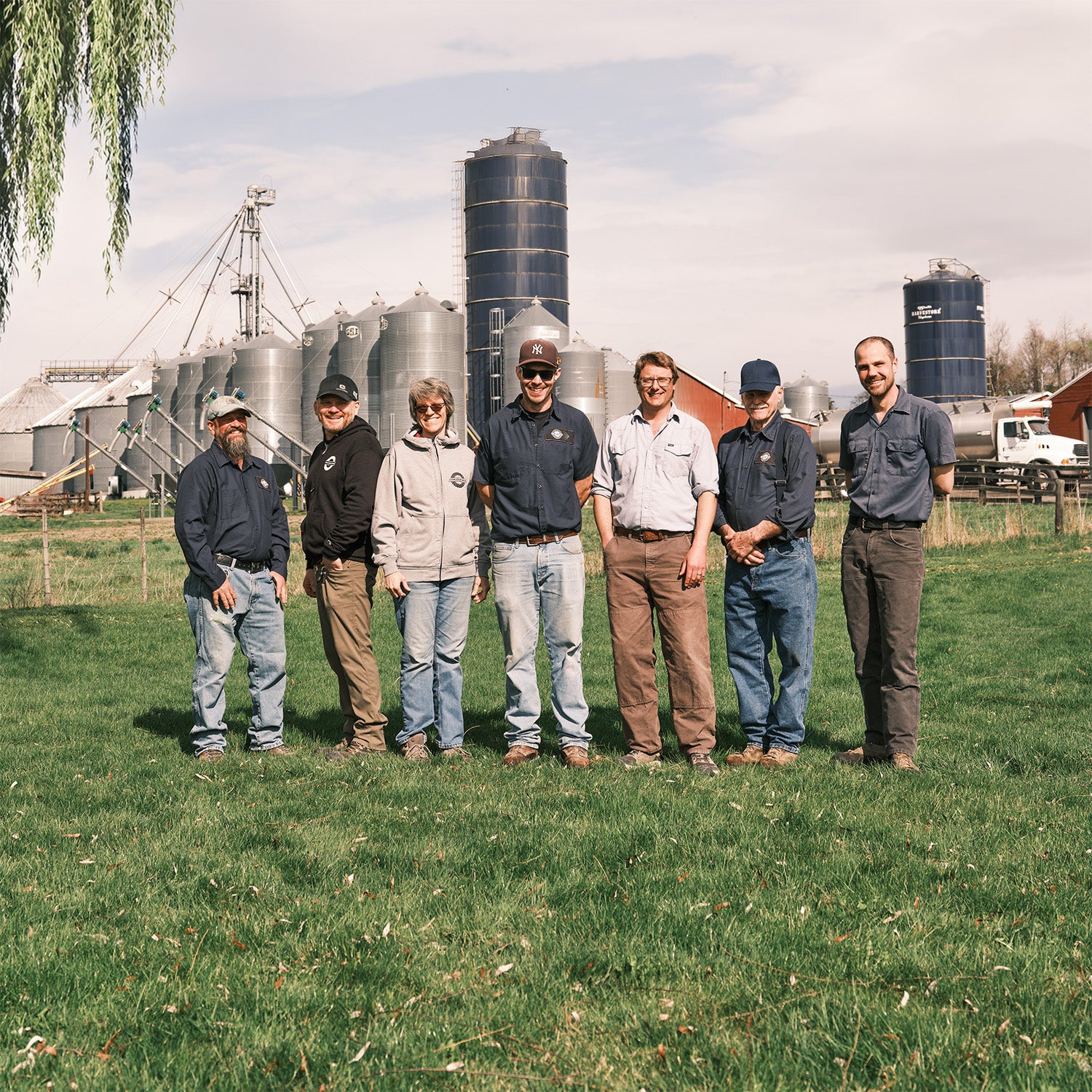
REFINED THROUGH RELATIONSHIPS
Feed Programs Improve Through Conversations With Farmers
Some of the most valuable knowledge in livestock feed comes directly from the farms using it every day. Over time, conversations with customers help refine formulations, improve logistics, identify operational challenges, and strengthen how feed programs perform under real farm conditions.
We believe strong feed systems are built collaboratively between feed producers and livestock farmers working together over the long term.
LET’S TALK FEED
Questions About Ingredients, Nutrition, or Feed Programs?
Whether you’re comparing feed options, evaluating bulk delivery, exploring soy-free systems, or developing a custom ration for your operation, we’re always happy to talk through your farm and help determine the right fit.